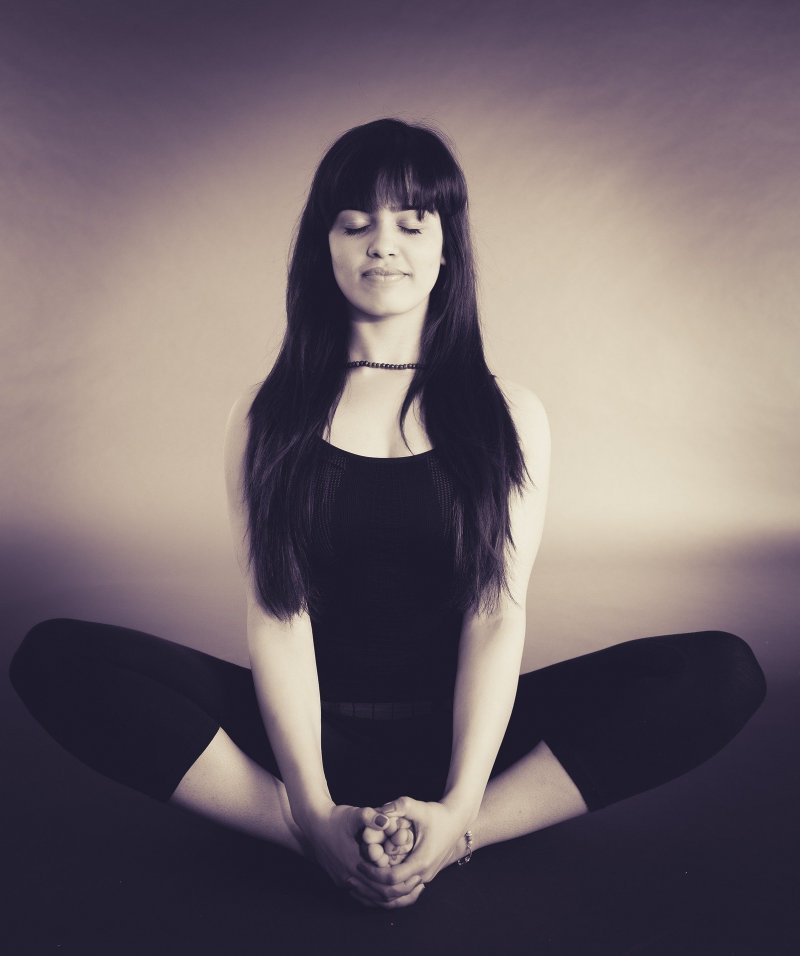
The Benefits of Yoga
Yoga is a widespread ancient practice, with its origins in India, primarily used to increase awareness and create mindfulness. However, it undoubtedly has many health benefits, too, going beyond burning calories and toning muscles. These include increased flexibility, improved respiration and a sense of energy and vitality. Other benefits are increased athletic performance, a balanced metabolism and improved heart health. This site will explore all the benefits of yoga and how to incorporate it into everyday life. As little as 20 minutes of yoga per day, three times per week, can be enough to start seeing health improvements.
Yoga for Seniors; the Benefits of Slow and Gentle Exercise
18 Apr 2021
Slow and gentle yoga is excellent for everyone. And it's especially great for seniors. It helps them improve their balance and coordination skills. It also allows them to increase their core strength while avoiding putting excess pressure on their joints.
Yoga is a Lifestyle
7 Mar 2021
Want your life actually to change for the better? Adopt the mindset of a yogi and practice yoga every day. Yoga isn't just exercise; it's a state of mind. It can help you maximize your productivity, achieve an optimum level of wellness, and improve the quality of your life.
3 Yoga Poses Every Beginner Needs to Know
5 Mar 2021
Starting a yoga class for the first time might seem like a daunting task. The instructor might use Hindi words or terms you don't know. You might find yourself twisting strangely to see what they are demonstrating. You can bet on it that yoga instructors are skilled at guiding anyone through a beginner's class without any trouble. But if you are still worried, here are some helpful poses to prepare yourself for your first class.
Downward Dog
You've probably heard this pose mentioned in a film or your favourite series. It’s a basic pose used at the beginning of yoga sequences or as an active rest stance. You get into Downward Dog by standing on your hands and knees. Pressing your hands and feet into the mat, you lift your coccyx to the ceiling. Stretch your legs, press your heels into the floor, and keep your neck and spine in alignment. You are now in the A-formed position called Downward Dog.
Child's Pose
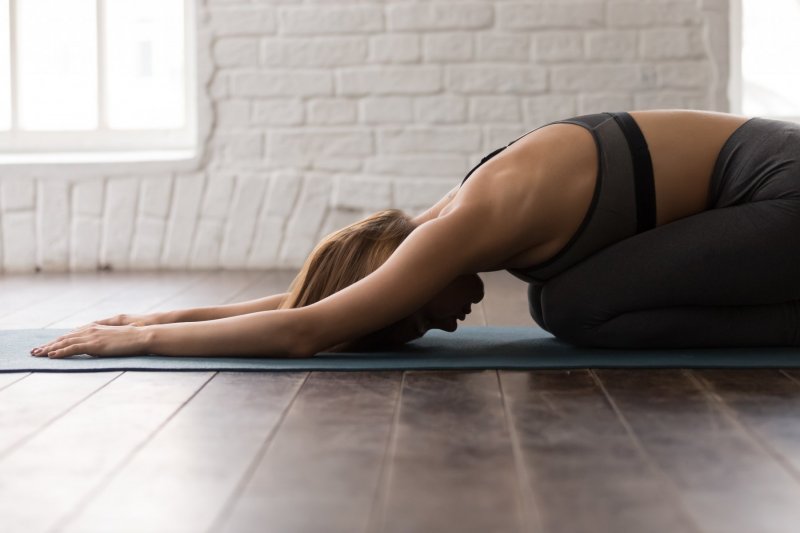
The Child's Pose is also initiated from your hands and knees. You spread your knees a little wider than your hips and then push back to sit your bum on your flattened feet. Then fold your torso forward until your head reaches the floor. It is possible to stay in this Extended Child's Pose if you feel unstable. However, the full pose requires you to leave your head gently on the mat and bring your arms to the side of your body. This pose is there for recovery in between sequences or when you need a minute of rest.
Svanasana
This Hindi name might feel like a mouthful, but it is probably the best yoga pose there is. Typically saved for the end of the session, the Svanasana pose is an integral part of yoga's meditative and physical benefits. You lie on your back with your legs straightened and relaxed. Your arms are lying at your sides, palms facing up. I know it doesn't sound like a pose, but it is. The most important thing to remember is not to become passive and heavy. It is time you need to take to focus on your breath and your thoughts.
Last Things to Note
Whether you are taking a nurture class or an exercise class, yoga is still meant to push your body. Something that no one tells beginners is to expect some discomfort, especially in your wrists. Many yoga poses and sequences require you to support yourself with your hands as well as on your feet. You will feel some discomfort, but it shouldn’t become painful. People with carpal tunnel syndrome may struggle with some of these. Please be honest with your instructor about any injuries as you wouldn’t want to cause further complications to them.
It’s crucial to listen to your body and soul while practising yoga if you’d like to avoid hurting yourself and experience the full benefits of the practice.
Yoga in the Morning: Wake Up Feeling Excellent!
3 Feb 2021
Practicing yoga first thing every morning is undoubtedly one of the best ways to benefit from it. It gears you up for an excellent start. It increases energy, boosts alertness and memory, reduces stress and anxiety levels, and regulates sleeping habits.